
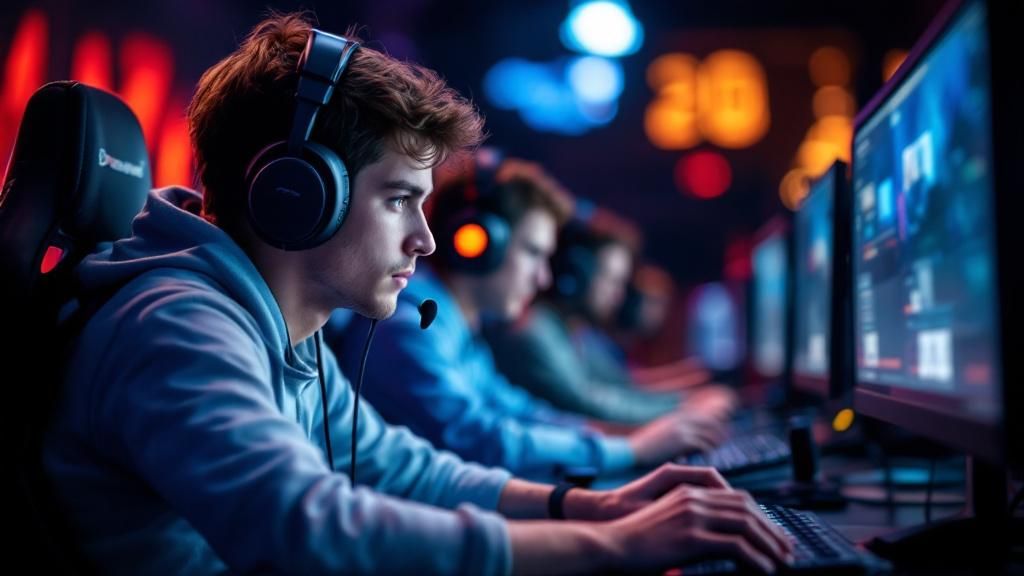
The esports industry has experienced a significant transformation, with professional teams now recognising that competitive gaming requires more than exceptional skill and reflexes. Mental health has become a essential component of player performance and wellbeing, prompting leading organisations to commit significant resources in psychological support services. From dedicated sports psychologists to customised wellbeing initiatives, this article explores how top esports teams are developing robust mental wellbeing strategies, addressing burnout, anxiety, and the distinct challenges of professional gaming.
The Increasing Significance Of Mental Health In Competitive Gaming
The esports landscape has undergone a profound shift in recent years, with psychological wellbeing emerging as a cornerstone of professional success. Elite esports organisations now acknowledge that sustained peak performance requires psychological resilience alongside technical prowess. Players face intense demands, including intense competition, worldwide attention, and rigorous training regimens. Consequently, forward-thinking teams have started focusing on psychological health as integral to their competitive strategy, acknowledging that a player’s psychological state directly influences their in-game performance and longevity within the profession.
Professional esports presents unique psychological challenges that distinguish it from traditional sports. The sedentary nature of gaming, paired with prolonged time spent on screens and social isolation, produces notable psychological issues. Players often experience performance anxiety, notably during high-stakes tournaments where significant financial stakes and lucrative sponsorships hang in the balance. Additionally, the comparatively youthful age group of professional gamers means many lack the emotional development and psychological strategies to navigate such high-level stress. Teams dedicating support to player mental health initiatives recognise these particular difficulties and customise their support strategies, guaranteeing players receive appropriate psychological care.
The negative perception surrounding mental health in gaming has conventionally prevented frank dialogue about emotional difficulties. However, recent high-profile cases of player burnout and emotional breakdowns have driven substantive reform within the industry. Progressive esports organisations now advocate for mental wellbeing transparently, illustrating that seeking psychological support signals capability not vulnerability. This societal change has normalised dialogue on mental health conditions and coping strategies amongst competitors and their teams. By removing shame from psychological conversations, leading teams create environments where players are at ease seeking assistance before situations worsen.
Investment in mental health systems reflects esports’ maturation as a competitive industry. Elite organisations now retain dedicated mental health professionals, performance mentors, and health coordinators. These professionals work collaboratively with players to create stress management techniques, handle stress, and sustain psychological equilibrium throughout intense competitive seasons. Furthermore, comprehensive wellness programmes often encompass physical conditioning, nutrition support, and sleep management, acknowledging that comprehensive health supports mental resilience and sustained performance excellence.
The financial consequences of neglecting mental health are considerable for professional esports outfits. Player fatigue leads to reduced performance, higher staff attrition, and damaged team cohesion, ultimately affecting competitive outcomes and financial returns. Conversely, organisations committing resources in wellbeing programmes see enhanced player retention, enhanced morale, and notably improved tournament results. This financial argument has convinced even historically doubtful stakeholders that mental health services represents a sound investment rather than an optional luxury, significantly altering how competitive gaming outfits distribute funding.
Extensive Psychological Wellbeing Initiatives Within Leading Teams
Top esports organizations have developed comprehensive psychological support frameworks that go well past standard support schemes. These comprehensive initiatives recognise that competitive players face particular psychological demands, including high-pressure competition, irregular schedules, and persistent observation of internet viewers. Top teams now retain specialist wellbeing specialists, implement regular wellness assessments, and build collaborative group settings where athletes are at ease discussing psychological concerns without worry of discrimination or career consequences.
Expert Mental Health Support Services
The incorporation of qualified mental health professionals within esports companies represents a notable transformation in sector practices. Many top teams now engage sports psychologists, therapeutic counsellors, and mental performance coaches who collaborate closely with players to create adaptive approaches and mental toughness strategies. These professionals offer one-to-one counselling, group workshops, and acute crisis assistance, ensuring that players can quickly reach qualified help as psychological difficulties develop during their professional playing careers.
Professional psychological assistance extends beyond traditional therapy, incorporating performance enhancement and mental conditioning methods specifically tailored for competitive gaming. Mental health specialists collaborate with coaching staff to embed psychological training into daily practice routines, helping players develop focus, control nervousness, and sustain emotional stability during intense matches. This integrated strategy guarantees that mental wellbeing becomes embedded within team culture rather than staying on the sidelines.
- One-to-one therapy sessions tackling personal psychological concerns
- Competitive stress reduction and stress reduction approaches
- Sleep improvement and circadian rhythm management programmes
- Drug and alcohol education and recovery support
- Urgent support and acute psychological care provision
Teams have recognised that preventative psychological strategies demonstrate significantly beneficial than after-the-fact responses. Regular psychological assessments help detect developing problems before they escalate into serious mental health crises, allowing professionals to implement early intervention strategies. This forward-thinking strategy decreases athlete exhaustion, reduces competition-related setbacks, and develops protective team atmospheres where mental health receives equivalent consideration with physical training and strategic development.
The presence of dedicated mental health professionals also establishes as standard psychological support within esports culture, prompting competitors to access support without experiencing shame or judgment. By demonstrating organisational commitment to mental wellbeing through professional staffing, teams communicate that psychological health holds equivalent importance with competitive performance. This cultural shift has proven instrumental in diminishing prejudice, enhancing willingness to seek assistance, and fostering team cohesion through collective dedication to overall player mental health and support.
Effects And Future Prospects
The allocation of resources towards mental health support by esports organisations at the professional level is already producing tangible outcomes. Players report better consistency across matches, lower anxiety levels throughout high-stakes tournaments, and higher levels of overall satisfaction. Organisations have observed lower staff turnover and enhanced team cohesion amongst squads with comprehensive mental health frameworks. These favourable findings demonstrate that placing emphasis on mental health directly enhances competitive success, challenging outdated perceptions that gaming performance is determined only by technical proficiency and mechanical ability.
Looking ahead, mental health support will probably become a common requirement within competitive esports. Sector experts anticipate further specialisation of mental health services, with organisations hiring esports psychologists with expertise in esports environments. As the industry develops and prize money grows, organisations will increasingly recognise that comprehensive player welfare programmes represent essential investments rather than discretionary spending, ultimately reshaping the overall competitive ecosystem.
